Loading...
Serving Beaumont, TX and surrounding areas. (409) 247-1986
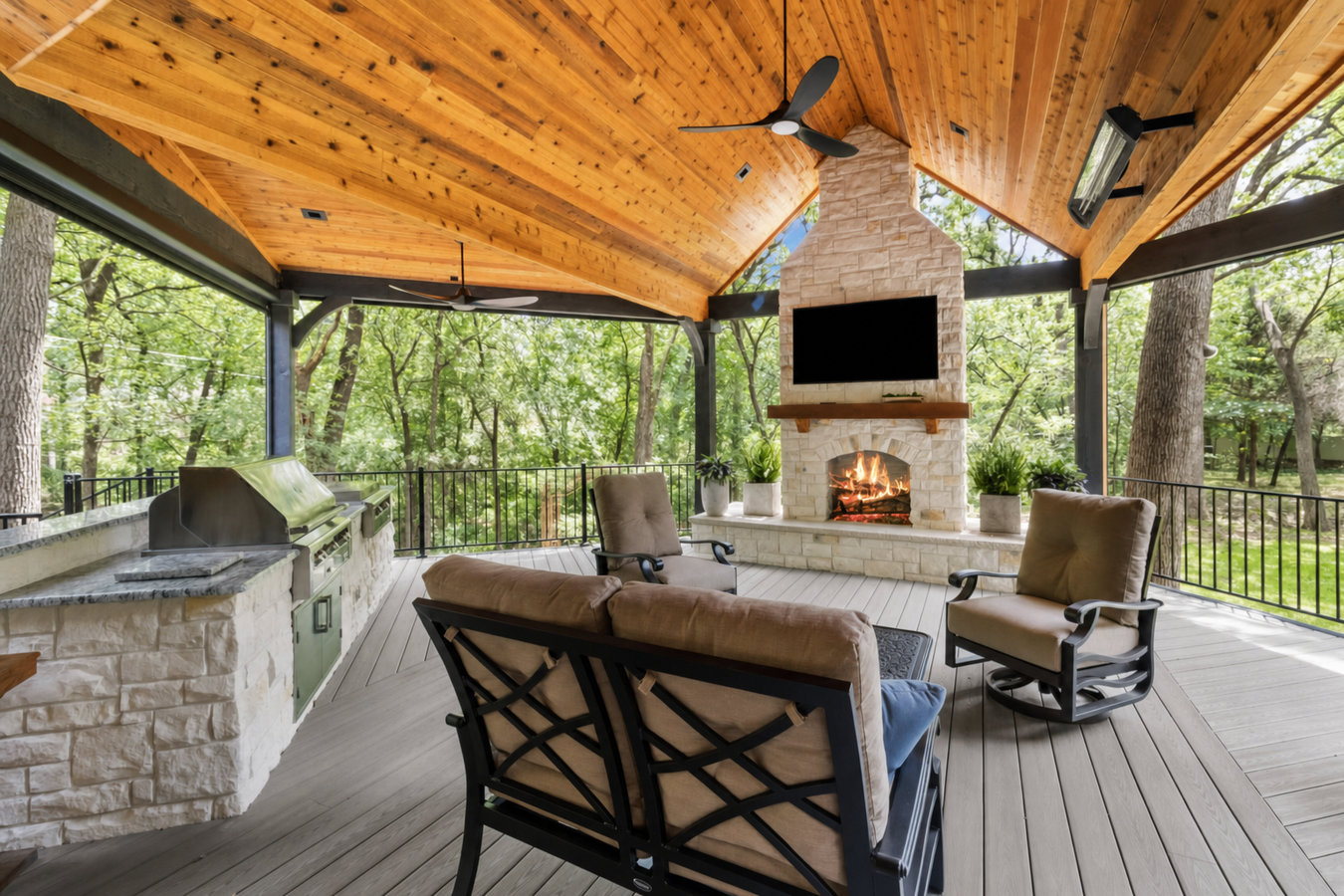
Beaumont summers are long, hot, and wet. A covered deck or patio cover puts a roof over your outdoor space so you can actually use it - mornings, evenings, and through the afternoon rain.
Covered decks and patio covers in Beaumont are permanent roof structures built over an outdoor living space - attached to your home or freestanding in your yard - and most projects run from a few days to two weeks on-site once the City of Beaumont permit is approved and materials are staged.
The build typically involves setting post footings, building the frame, installing the roof structure, and flashing the connection point where the cover meets your home's wall. That ledger connection is one of the most critical details in the whole project - a poorly attached ledger can pull away from the house over time, especially in Southeast Texas where heavy rain and wind put real stress on outdoor structures. Getting it right from the start is what separates a structure that lasts from one that needs repairs within a few seasons. If you also want the space enclosed against insects, our screened-in porches and screened decks page covers adding mesh screening to a covered structure.
For most Beaumont homeowners, a covered patio or deck is the single upgrade that makes the backyard usable again. Shade alone can drop the temperature under a roof by 10 to 15 degrees compared to standing in direct sun - and in a Beaumont July, that is the difference between going outside and staying in.
If you step outside between May and September and immediately retreat back inside because of the heat, your outdoor space is not working for you. Beaumont summers are genuinely brutal - the combination of direct sun and humidity makes an uncovered patio feel like standing next to an oven. A covered structure creates a shaded zone where conditions are noticeably cooler than in full sun, making your backyard usable again for most of the year.
Southeast Texas gets significant rainfall, and Beaumont homeowners know that a hard rain can leave standing water on a patio for hours. If your outdoor furniture sits in puddles after every storm, a properly designed covered structure with a sloped roof can redirect water away from your patio surface and keep the space dry and usable much sooner after rain.
If you already have a covered structure and you are noticing sagging roof sections, posts that have shifted or leaned, wood that has turned gray and soft, or gaps where the cover meets your house wall, those are signs the structure needs attention. In Beaumont's climate, wood deterioration can move quickly once it starts - what looks like a cosmetic issue in the spring can become a structural problem by fall.
Outdoor living space is one of the most consistently valued features in the Beaumont real estate market, where buyers expect a functional backyard. A bare concrete slab or an open deck with no shade cover is a missed opportunity when buyers are walking through. A covered patio or deck adds visible, tangible value that photographs well and makes an immediate impression during a showing.
We build attached patio covers, freestanding shade structures, and full covered deck builds where the deck platform and roof structure go up together. Roof styles range from a simple shed-pitch cover that sheds water cleanly to a gable or hip roof that provides shade in all directions. We work in pressure-treated wood, cedar, and aluminum framing - each with different trade-offs on upfront cost and long-term maintenance in Southeast Texas humidity. Aluminum is the lowest-maintenance option for this climate; pressure-treated wood is the most common. We walk through both with every homeowner before any design is finalized.
Homeowners who want the outdoor room feeling fully enclosed can combine a covered roof with mesh screening - see our screened-in porches and screened decks page for how that works. If you want open-air shade without a fully enclosed structure, a pergola is another option we build throughout the Beaumont area - the difference is a lattice or open-beam roof versus a solid or standing-seam cover.
A roof structure anchored to your home's wall over an existing concrete slab or patio - the most straightforward route to shade if you already have the patio surface.
Deck platform and roof structure built together from scratch - the right choice when you want an elevated outdoor living space with weather protection from day one.
A self-supporting covered structure set in the yard without connecting to the house - works well for pool areas, garden spaces, or lots where attachment to the house is not practical.
Adjustable louvers let you open the roof for sun and airflow or close it against rain - a flexible option for homeowners who want control over the outdoor environment throughout the day.
Beaumont sits in Southeast Texas, where summer heat indexes regularly push past 105 degrees and humidity rarely drops below uncomfortable - conditions that accelerate rot, warping, and paint failure on wood structures far faster than in drier climates. The region is also in the Gulf Coast storm zone that saw catastrophic damage from Hurricane Harvey in 2017 and serious wind events in the years since. Any covered structure attached to your home needs to be designed and fastened for real wind loads, not just built to look solid on a calm day. That means deep footings set below the active zone of Beaumont's expansive clay soil, proper hurricane ties at every connection point, and a ledger attachment that is correctly flashed so water cannot get behind your siding. These are the details that separate a covered patio that holds up for 20 years from one that needs repairs after the first serious storm.
We serve homeowners throughout the Beaumont metro, including Silsbee and Vidor, where the same soil conditions and storm exposure apply. If your neighborhood has an HOA - common in Beaumont's west and northwest subdivisions - we check those requirements before finalizing any design. The City of Beaumont requires permits for all permanent covered structures, and we handle the application and inspections for you. For design guidance on wood structures in high-humidity climates, the American Wood Council publishes the Deck Construction Guide used by contractors and inspectors across the country.
We start with a short phone call to understand your space and what you are hoping to build. Then we schedule a free on-site visit - no obligation, no sales pressure. We typically respond within one business day of your first contact.
We measure your space, look at how your house is built, and talk through design and material options in person. This is your chance to ask questions and review trade-offs before anything is committed to paper. A written, itemized estimate follows within a few days of the visit.
Once you sign a contract, we submit the City of Beaumont permit application on your behalf - you do not need to visit any city office. Permit approval typically takes one to several weeks. We handle all scheduling and keep you updated on the timeline.
Once the permit is approved, the crew begins with any footing or concrete work, then frames the structure and installs the roof. After the final city inspection passes, we walk you through the finished structure, point out any maintenance items, and give you a copy of the permit for your records.
Free written estimate, no obligation. We handle the City of Beaumont permit from application through final inspection.
(409) 247-1986We apply for the required City of Beaumont building permit and handle every step of the inspection process. When the job is done, you have a permitted, inspected structure on record - the kind of documentation that protects you if you ever sell your home or make an insurance claim after a storm.
The point where a covered structure meets your home's wall is where most attached patio covers eventually fail. We flash and seal every ledger connection so water cannot get behind your siding - a detail that matters a great deal in a region that averages over 55 inches of rain per year.
Beaumont's heavy clay soil expands when wet and shrinks when dry - a cycle that pushes footings out of alignment over years if they are not set deep enough. We set post footings below the active zone of soil movement for local conditions, not to a generic national standard.
Jefferson County sits in a region that has been impacted by multiple major tropical storms. We build covered structures with hurricane ties, proper post anchoring, and connections engineered for the wind loads Southeast Texas actually sees - not structures that look solid until the first serious storm tests them.
A covered deck or patio cover is a significant investment, and in Beaumont's climate it faces real demands from heat, humidity, rain, and occasional tropical weather. The details that protect that investment - proper footings, correct ledger attachment, storm-rated fasteners, and a permitted build - are not optional extras. They are what makes the difference between a structure that adds to your home and one that becomes a problem. For outdoor structure safety standards, the North American Deck and Railing Association maintains current best practices for contractors and homeowners.
An open-beam pergola that adds shade and a defined outdoor room without a full solid roof - a lower-cost alternative when full rain protection is not the priority.
Learn MoreCombine a covered roof with mesh screening for a fully enclosed outdoor space that keeps rain and Beaumont insects out at the same time.
Learn MoreBeaumont summers fill up fast - reach out now and we will get your permit process started before the heat hits.