Loading...
Serving Beaumont, TX and surrounding areas. (409) 247-1986
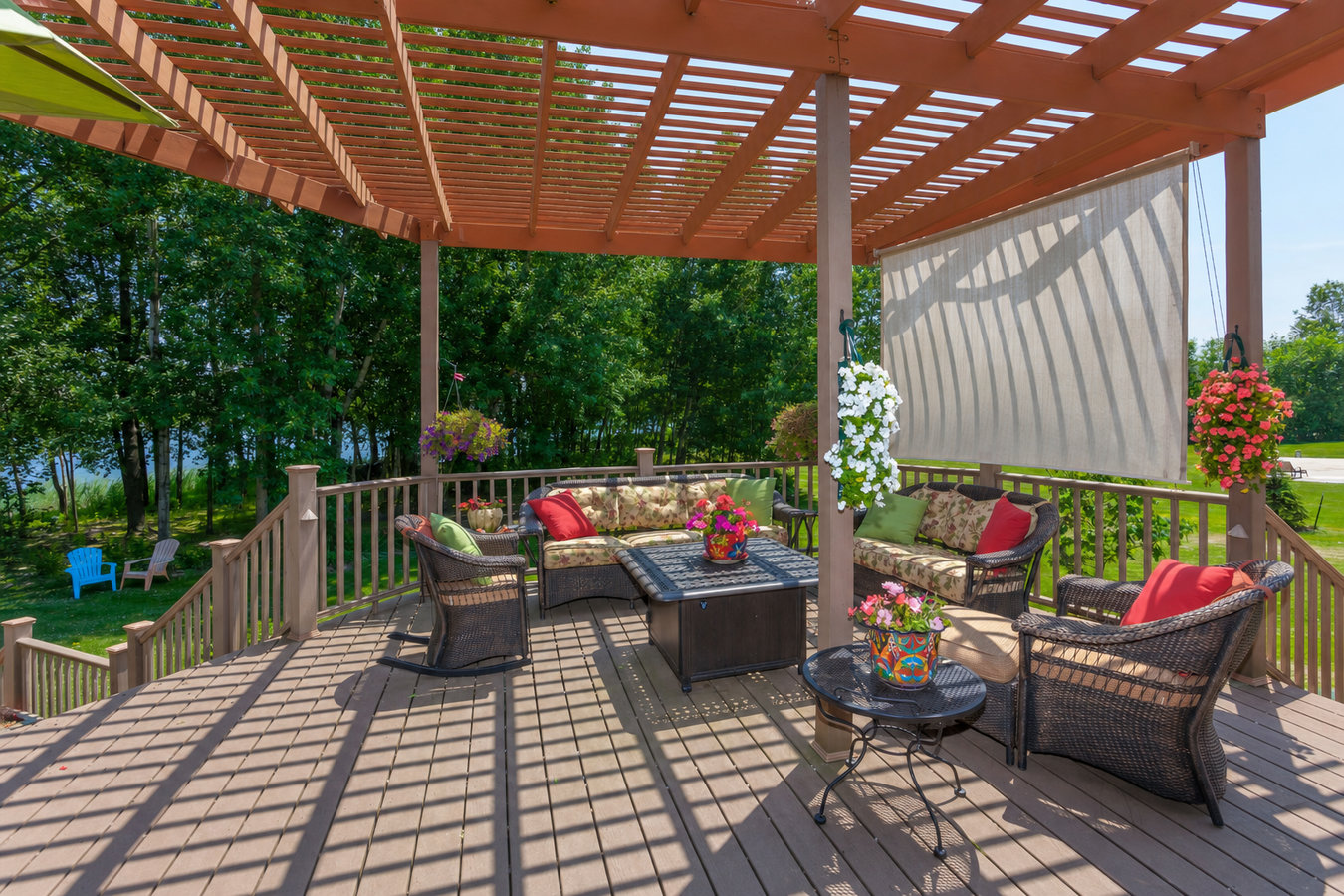
A pergola turns a bare patio or backyard into a shaded outdoor room. We build attached and freestanding pergolas anchored for Beaumont soil conditions and Gulf Coast weather.
Pergola installation in Beaumont means setting posts into the ground or anchoring them to an existing slab, then assembling open beams and rafters on top to create a shaded outdoor structure - and most standard builds take one to three days on-site once the City of Beaumont permit is in hand and materials are staged.
In Southeast Texas, the details that matter most are how the footings are sized for expansive clay soil and how the structure is anchored against tropical storm winds. A pergola built the right way here stays plumb and solid for years; one that cuts corners on footing depth or hardware starts to lean or shift within a season or two. We handle permit applications with the City of Beaumont so you do not have to navigate that process yourself. If you want full overhead protection rather than the open-beam look a pergola provides, our covered decks and patio covers page explains the solid-roof alternative.
For most Beaumont homeowners, a pergola is the most cost-effective way to define an outdoor living space and get actual shade without the expense of a full roof structure. The open-beam design lets air move through, which matters a lot in a climate where heat buildup under a solid roof can be just as uncomfortable as standing in the sun.
If you step outside on a Beaumont afternoon and immediately go back inside because of the heat, your outdoor space is not working for you. Beaumont summers are long and the sun is intense - a yard without shade is effectively off-limits for months. A pergola creates a shaded zone that makes the patio genuinely comfortable, even on afternoons when the temperature climbs past 95 degrees.
If you have an existing slab or deck that sits mostly empty, it is often because there is no shade or sense of enclosure to make it feel like a real outdoor room. A pergola gives that space a purpose - somewhere you actually want to sit, eat, or host friends. The structure does not have to be large to make a noticeable difference in how the space feels and gets used.
Beaumont's west-facing patios take direct afternoon sun from early afternoon onward, and the heat and glare can be brutal. If your outdoor furniture is fading or your cushions are deteriorating quickly, that is a sign the sun exposure is extreme enough to warrant a shade structure. A pergola with shade fabric or a louvered top can cut direct sun significantly and protect your outdoor furniture investment.
Outdoor living features rank consistently among improvements that attract buyers in Southeast Texas. If your home lacks a defined outdoor space and you are thinking about listing in the next few years, a well-built pergola is a visible upgrade that photographs well and gives buyers something to picture themselves using. A deteriorating or missing shade structure is a missed opportunity during a showing.
We build attached pergolas anchored to the exterior wall of your home and freestanding pergolas set on their own post footings anywhere in your yard. Attached pergolas create a direct indoor-to-outdoor flow from a patio door or back deck and generally feel like a natural extension of the house. Freestanding pergolas give you more flexibility on placement - over a pool, in a garden area, or away from the house entirely. We work in pressure-treated wood, cedar, aluminum, and vinyl, and we are direct about the maintenance trade-offs each material carries in Southeast Texas humidity. If you decide later that you want the outdoor room fully enclosed, our outdoor kitchen decks service can combine a shade structure with a full cooking and entertaining platform. For homeowners who want a fully solid roof overhead, our covered decks and patio covers page covers that option in detail.
Many homeowners also add elements to their pergola after the main structure is up - shade fabric, retractable canopies, ceiling fans, string lights, or outdoor curtains. If you know you want electrical work, discussing it before the build starts makes the wiring much easier to run cleanly. We plan for add-ons upfront rather than retrofitting finished work.
Anchored directly to your home's exterior wall - the best option when you want a shaded extension of an existing patio door or back deck.
Self-supporting on its own post footings anywhere in the yard - works well for pool areas, garden spaces, or lots where attachment to the house does not make sense.
The most common material choice - warm and natural-looking, with the understanding that regular sealing and maintenance are part of the long-term ownership in this climate.
Higher upfront cost with almost no ongoing maintenance - the practical choice for homeowners who want to install it once and not think about resealing or repainting.
Beaumont sits in Southeast Texas where summer humidity regularly tops 80 to 90 percent and temperatures push past 95 degrees for weeks at a time. That combination accelerates rot and warping in wood structures far faster than in drier climates. On top of that, Beaumont sits in a region that sees tropical storms and occasional hurricane-force winds from June through November. A pergola that is not anchored deeply and fastened with galvanized or stainless hardware can become a hazard - and a liability - when a storm moves through. The City of Beaumont also requires building permits for most permanent outdoor structures, and pulling that permit means a city inspector will check the finished work, which protects you on resale and in any future insurance claim. The clay-heavy soil in Jefferson County adds another layer: footings that are not set deep enough shift as the ground swells and shrinks with seasonal moisture changes, causing posts to lean over time. All of these factors together mean a pergola in Beaumont has to be built differently than one in a drier part of Texas - and working with a contractor who knows these conditions is the difference between a structure that holds up and one that needs attention after the first storm season.
We build pergolas throughout the Beaumont metro, including Jasper and Lumberton and every community in between. If you are outside city limits and fall under Jefferson County jurisdiction rather than the City of Beaumont, we know which permit process applies to your address - you do not have to figure that out yourself. For further reading on outdoor structure standards, the National Association of Home Builders and the City of Beaumont Development Services are both reliable references.
We will ask a few basic questions - roughly how large a space you have in mind, whether you want an attached or freestanding design, and what you plan to use it for. You do not need all the answers ready. We reply within 1 business day and set up a time to come see your yard.
A contractor comes to your property, measures the space, checks the existing ground or slab conditions, and talks through your options in person. This visit typically runs 30 to 60 minutes and is your chance to ask questions before any commitment is made.
Once you approve the design and sign the contract, we apply for the required City of Beaumont building permit. Permit approval typically takes one to two weeks. We schedule the build date once the permit is in hand - we do not start work without it.
Most standard pergolas take one to three days to build. We set posts first, then assemble beams and rafters. After the structure is finished, we walk through it with you to confirm everything is level, hardware is tight, and the finished look matches what you agreed on.
Free written estimate. No pressure, no sales pitch. We come to your yard, look at the space, and give you a clear quote you can compare.
(409) 247-1986We set post footings deep enough to get below the most active layer of Jefferson County's expansive clay soil. That means posts stay plumb over time instead of shifting as the ground swells and shrinks with seasonal moisture changes. Asking about footing depth is one of the first questions you should put to any pergola contractor in this area.
Every pergola we build uses galvanized or stainless hardware at post bases and connections. Southeast Texas sees tropical storms and real wind events, and a structure anchored correctly for those conditions stays put. A contractor who builds only in drier parts of Texas may not account for the lateral forces a Gulf Coast storm puts on an outdoor structure.
We pull the required building permit before any work starts, which means a city inspector reviews the finished structure. That sign-off protects you if you ever sell the home or file an insurance claim. A contractor who suggests skipping the permit is one worth walking away from - unpermitted work creates real problems down the road.
We are direct about what wood, aluminum, and vinyl each cost to maintain in Southeast Texas humidity. Rather than selling you on the most expensive option, we walk through the real trade-offs so you can make the choice that fits your budget and how much upkeep you want to deal with five years from now.
These are the details that separate a pergola that looks good on install day from one that holds up through Beaumont summers and Gulf Coast storm seasons. We have built structures throughout Southeast Texas and we build every one of them to handle what this climate actually throws at outdoor structures.
Combine a shade structure with a full cooking and entertaining platform - a natural next step when a pergola is part of a larger backyard build.
Learn MoreWant a solid roof instead of open beams? Covered decks and patio covers give you full overhead protection against rain as well as sun.
Learn MoreProject slots fill up heading into fall - reach out today and we will get your build on the schedule before the best outdoor months are here.